Creatures of the Deep: Fishing
- 4.7
- Rating
- 5.00M
- Installs
- Free
- Price

 Analysis by App-foxy
Creatures of the Deep: Fishing caught my attention because it treats fishing as a calm adventure rather than a race to clear levels. I can cast a line, explore unfamiliar waters, collect catches, and still feel that something larger is waiting beyond the next trip. The presence of monsters gives the peaceful routine a little tension without turning the whole experience into an action game. After spending time with it, I see a title that is easy to start, pleasant in short sessions, and more interesting when approached as a long-term collection and exploration hobby.
Developed by Infinite Dreams, this free adventure game is built around multiplayer fishing, discovery, relaxation, and strange creatures. It is available for players rated Everyone, and the Android release works from OS 7.1 onward. The game has reached over 5 million installs and holds a 4.7 average from around 276 thousand ratings, which matches my impression that it has a broad appeal: it is approachable enough for casual players but has enough goals to keep a curious player returning.
From an inviting first week to a more demanding routine
I found the first stretch inviting because I could settle into the fishing without treating every visit as a test of efficiency. As the routine becomes more familiar, I think it helps to notice which goals still feel enjoyable and which are starting to feel like obligations. That shift is where the game’s gentle pace meets the question of how much progress a player actually wants to pursue.
You May Also Like

 Blood Strike: 2.5 Anniversary
Blood Strike’s Loadouts Turn Every Drop Into a Tactical Gamble
A close look at Blood Strike’s custom loadouts: how fast access to signature weapons reshapes its battle royale rhythm, rewards preparation, and narrows the gap between fights.

 Pandora - Music & Podcasts
Pandora’s Music Is Easy to Start, but Harder to Recover
Pandora’s strength is its low-effort path from a seed to a station. Its weak spot is how much confidence it asks you to place in connection, setup, and quiet recovery.

 8 Ball Pool
 Is Built on Rivalries, Rematches, and Routine
A close look at the rivalries, rematches, shared routines, and unanswered safety questions that turn a quick pool match into a persistent mobile community.

 Samsung Music
’s Quiet Strength Is Playing What You Already Own
Its reach comes less from spectacle than from dependable access to a personal library. That simplicity is both the app’s strongest retention engine and its ceiling.

 AccuWeather: Weather Radar
AccuWeather Review: A Quick, Clear Forecast for Everyday Decisions
For everyday plans, the best forecast is the one you can understand quickly. AccuWeather makes rain timing, radar, and local conditions easy to act on, with a few trade-offs.

 Hill Climb Racing
Why Hill Climb Racing Still Turns Crashes Into One More Run
A tiny car, a bumpy hill and one more upgrade: Hill Climb Racing keeps resurfacing because its simple chaos makes every near-miss feel personal.
More From Our News Desk



Why the opening sessions work so well
The first week is the strongest part of the experience for many players. Fishing is immediately understandable, and the relaxing presentation makes it easy to play without studying a complicated rulebook. I could move from a quiet activity to a more adventurous outing without feeling that the game had changed genres. That contrast is important. If every trip were only about waiting for a bite, the rhythm might become dull quickly; if every trip were packed with danger, the relaxing side would disappear.
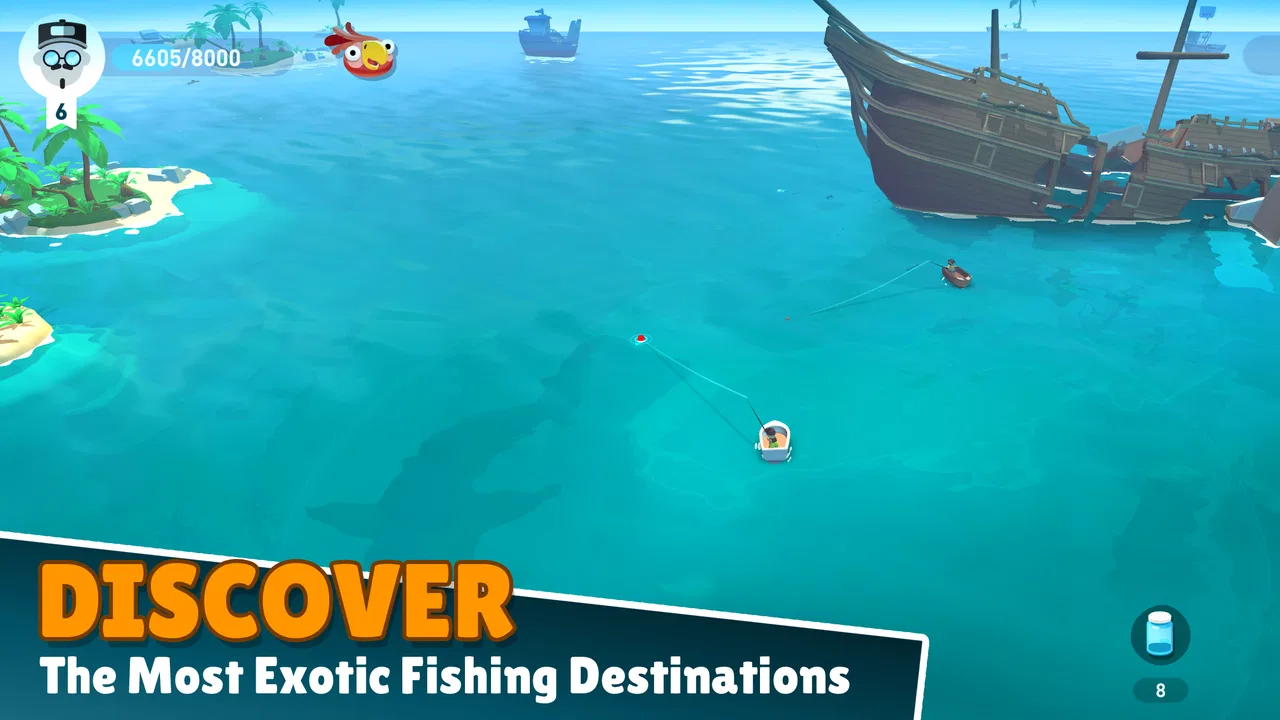
The exploration angle gives each session a simple purpose. I was not merely repeating one cast in one location. I wanted to see what the next area might offer, what kind of catch would appear, and how the unusual creatures fitted into the wider world. That curiosity carries the early game better than a long tutorial would. The best first-week sessions are the ones where I set out with one modest plan and return having found a reason to try again.
Multiplayer also changes the mood. It makes the world feel less like a private fishing simulator and more like a shared destination. This is useful for players who enjoy showing up regularly with friends, but it does not force the game to become a competitive contest at every moment. I appreciate that distinction. Someone can enjoy the company and atmosphere without needing the fastest reflexes or the most aggressive play style.
The monster element is another effective early hook. It gives the game a recognizable identity beyond ordinary fishing. The creatures do not erase the tranquil pace; instead, they create moments when I pay closer attention to the surroundings. That mixture of comfort and surprise is what separates this from a straightforward fishing app designed only to imitate the real-world hobby.
The small decisions that improve the experience
One useful habit is to decide what kind of session I want before starting. If I only have a few minutes, I treat the game as a quick fishing break and avoid turning every possible objective into a chore. When I have more time, I use the session for exploration and pay attention to the areas and catches I have not encountered yet. This sounds simple, but it prevents the game from feeling like an endless checklist.
I also found it better not to measure every outing by the amount of progress made. The relaxed design loses some of its charm when I treat each cast as a test of efficiency. A more satisfying approach is to alternate between practical goals and curiosity-driven trips. One visit can focus on filling a collection gap; the next can be about wandering, observing, and enjoying the atmosphere. That change of intention keeps the basic fishing loop from becoming too mechanical.
Another non-obvious strength is how well the game fits interruptions. A player can use it during a quiet break, while waiting for an appointment, or at the end of the day when a demanding action game feels like too much work. I would not recommend starting a serious exploration session when I know I will be interrupted, but the general rhythm is forgiving enough for casual use. This flexibility is a major reason the game can become a habit rather than a one-time download.
What may disappoint after the novelty fades
The same simplicity that makes the opening accessible can become a limitation. Players who expect a deep simulation of fishing may find the experience too game-like and too focused on exploration. The appeal is not in reproducing every technical detail of the real hobby. It is in combining fishing with discovery, social play, and fantasy. Anyone looking for realistic equipment management, highly technical casting, or a serious competitive structure should adjust expectations before installing it.
The free entry point is inviting, but the presence of in-app purchases means that long-term progress deserves some self-control. Individual purchases range from $0.99 to $49.99, so I would approach the shop as optional rather than as part of the basic routine. The most comfortable way to play is to decide in advance whether I am willing to spend anything and then avoid letting a temporary desire for faster progress make that decision for me.
This is especially important because relaxing games can encourage frequent, low-attention spending. A player may open the game for a peaceful break and then purchase something simply because it seems convenient in the moment. I prefer to enjoy the free structure first and only consider spending after I know that the game has earned a regular place in my week. That approach makes the value easier to judge and keeps the calm atmosphere from being replaced by pressure.
Can it hold attention from month to month?
Its month-to-month value depends less on dramatic new surprises and more on whether the player enjoys a repeated routine. The central loop is deliberately gentle: go out, fish, explore, encounter unusual life, and return later. That can be satisfying for someone who likes gradual discovery, but it may not be enough for a player who needs constant mechanical change. I would describe the long-term appeal as steady rather than explosive.
The strongest reason to keep returning is the combination of collection and place. A catch is not only a reward; it is also a reason to remember where I found it and what I was doing at the time. Exploration gives the routine a sense of direction, while multiplayer can add a social reason to open the game even when I am not chasing a specific objective. If those three elements work together for you, the game has a realistic chance of surviving the first-week novelty.
For me, the best recurring use case is a short evening session. After a busy day, I may not want a story-heavy adventure that demands concentration or a competitive game that punishes every mistake. This title offers a middle ground. I can spend a little time fishing, make modest progress, and stop before the activity becomes exhausting. It is not a replacement for a larger console or mobile adventure, but it serves a different need: a low-pressure visit to a strange, shared world.
Players who enjoy completion goals may find more lasting value than those who only want a finished campaign. The game encourages the feeling that there is always another catch, location, or creature worth investigating. That structure can be motivating, but it can also become repetitive if the player does not enjoy the process itself. I would not install it expecting a clear ending that neatly closes the experience. I would install it as a hobby game that works best when progress is gradual.
Where the maintenance burden appears
The maintenance burden is not mainly about difficult controls. It comes from remembering why I am returning. A game based on repeated fishing needs a personal rhythm, otherwise the activity can blur into routine. I get more from it when I set a small intention for each visit instead of opening it automatically and performing the same actions without attention.
Social play can reduce that burden because friends provide a natural reason to come back. If I am playing alone, I need to create my own reasons through exploration or collection. That is not a flaw unique to this title, but it matters here because the game does not rely on constant tension to keep me engaged. Its quiet design rewards players who are comfortable making their own goals.
The game is also easier to maintain when I keep sessions modest. Long sessions can expose the repetition in the fishing loop, while short visits preserve the sense of relaxation. I would rather play several brief outings across a week than force one very long session and then take a break because the routine has become tiring. This is one of the clearest practical tips I can offer: treat it like a daily or occasional pastime, not a game that must be consumed in large blocks.
Version 3.29 is the current version, and the game has been available since November 7, 2022. Those details place it beyond the initial launch novelty, which is useful when judging its staying power. I see it as an established casual adventure rather than a brief experiment. Still, the lasting value comes from the design of the loop and the player’s habits, not simply from how long the game has been available.
The sources of fatigue to watch for
The first source of fatigue is repetition without a personal objective. Fishing is intentionally soothing, but soothing and monotonous are close neighbors. If I approach every session in exactly the same way, the fantasy of exploration weakens. Changing between social play, collection-focused trips, and relaxed wandering helps, although it cannot completely remove the limits of a simple core activity.
The second is the tension between relaxation and progression. Exploration feels comfortable when I am free to look around, yet progression goals can make me feel that I should be optimizing every minute. That conflict is manageable, but players who naturally chase efficiency may find the game less peaceful than expected. I had the best experience when I allowed some trips to be unproductive in the traditional sense.
The third is spending pressure. Even when purchases are not required for the basic appeal, a shop can affect how I think about progress. I recommend turning off impulse buying habits before playing and judging the game by what it offers without payment. If the free experience already feels worthwhile, optional purchases can remain genuinely optional. If it does not, spending more is unlikely to fix the underlying lack of interest.
There is also a social limitation. Multiplayer can make the world feel lively, but a player who prefers a completely solitary experience may not care about that part of the design. Conversely, someone seeking intense cooperation, voice-led teamwork, or a highly competitive fishing ladder may find the social layer too gentle. The game occupies a narrower middle ground: shared relaxation with adventure elements.
Who should play it, and who should skip it?
I would recommend it to players who enjoy collecting, light exploration, fantasy creatures, and games that do not demand constant precision. It is a good fit for a friend who wants something to open after work, for a family-friendly player looking for an Everyone-rated adventure, or for someone who likes multiplayer worlds but does not want every interaction to be a contest.
I would be more cautious recommending it to a player who wants a realistic fishing simulator. The fantasy setting and monster encounters are central to its identity, so realism is not the main attraction. I would also point competitive players toward a more focused multiplayer title if they need ranking pressure, fast matches, or highly technical mastery. Likewise, players who dislike recurring collection loops may enjoy the first sessions but lose interest once the novelty of the world has settled.
Compared with a traditional fishing game, this one offers more exploration and fantasy but less emphasis on authentic technique. Compared with a standard adventure game, it is calmer and less story-driven, with progress built around repeated outings rather than a tightly directed journey. Compared with a social multiplayer game, it is less demanding and more comfortable for casual participation. That positioning is its advantage, but it also means it will not fully replace any of those alternatives for a specialist player.
My long-term verdict
After the first impression fades, Creatures of the Deep: Fishing earns continued space on my device if I treat it as a relaxing routine rather than a main adventure. Its lasting value comes from the unusual blend of fishing, exploration, multiplayer presence, and monsters. None of those elements alone would guarantee a long-term recommendation, but together they create a distinctive mood that is difficult to confuse with a conventional fishing app.
The key question is not whether the game has enough content to occupy every spare hour, but whether its quiet loop fits the way you like to play. I find it most rewarding in short, intentional sessions, especially when I have a small discovery goal or a friend to join. It becomes less appealing when I force progress, expect constant novelty, or compare it with games designed for realism and competition.
The free price makes trying it straightforward, while the Everyone rating broadens its audience. The optional purchase range means I would still recommend setting a spending boundary before settling into the routine. With that caveat, the game offers a friendly entry into an adventure built around patience rather than pressure. Infinite Dreams has made something that can be both peaceful and slightly mysterious, and that balance is its most valuable quality.
My final recommendation is positive, with a clear condition: install it if you want a gentle multiplayer fishing adventure that can become a small recurring habit. Give it a week without rushing the progression, then ask whether you still enjoy the act of going out, casting, exploring, and returning. If the answer is yes, it has earned a lasting place. If you need constant action or a definitive campaign, the charm will probably wear off sooner.
For me, that makes Creatures of the Deep: Fishing a worthwhile free adventure rather than a disposable novelty. It does not try to be everything, and its limitations are visible once the initial discovery period ends. But for the right player, the combination of calm water, shared exploration, and unexpected creatures is enough to make coming back feel natural.
FAQs for Creatures of the Deep: Fishing
01What is the main objective of Creatures of the Deep: Fishing?
Creatures of the Deep: Fishing is an adventure game that combines fishing with exploration. The main objective is to catch a variety of unique and mysterious sea creatures. Players navigate through different aquatic environments, completing quests and uncovering secrets of the ocean depths, all while upgrading their gear.
02Is Creatures of the Deep: Fishing free to play?
Yes, Creatures of the Deep: Fishing is free to download and play. However, it offers in-app purchases that can enhance the gaming experience. These purchases can include special gear, boosters, or currency packs, allowing players to progress faster or unlock exclusive content.
03What are the system requirements for the game?
Creatures of the Deep: Fishing requires a device running Android 5.0 or iOS 10.0 and above. It's optimized for both smartphones and tablets. Ensure you have at least 500 MB of free storage space to accommodate updates and additional content that may be added over time.
04Is an internet connection required to play?
While Creatures of the Deep: Fishing can be played offline, certain features like leaderboards, updates, and special events require an active internet connection. Playing online also enables synchronization of progress across multiple devices, ensuring your game data is always up-to-date.
05Can I play Creatures of the Deep: Fishing with friends?
Yes, the game features a social component where you can connect with friends, compete in fishing tournaments, and share your achievements. This adds a competitive edge to the game, making it more engaging as you strive to catch the rarest creatures and climb the leaderboards.
Pros
- Stunning graphics and immersive environments.
- Wide variety of fish and creatures to catch.
- Engaging storyline with quests and challenges.
- Multiplayer mode for competitive fishing.
- Regular updates with new content.
Cons
- Some in-app purchases are quite pricey.
- Requires a stable internet connection.
- Occasional bugs can disrupt gameplay.
- Limited offline play options.
- Tutorials can be overly detailed for beginners.

Creatures of the Deep: Fishing
Gallery